
Missing teeth are more than a cosmetic concern. While many people initially focus on how a gap in their smile affects appearance, the consequences run much deeper. When a tooth is lost, whether from injury, decay, or gum disease, it triggers a series of changes in the mouth and the rest of the body. Understanding these dangers is an important step toward protecting long-term oral and overall health.
Shifting Teeth and Bite Problems
One of the first changes that occurs after tooth loss is movement. Teeth depend on one another for support, and once a space opens, the surrounding teeth gradually drift toward it. This movement can create misalignment that affects the way the upper and lower teeth come together. Over time, the bite can become uneven or uncomfortable, making it more difficult to chew and potentially causing wear on the remaining teeth. A shifting bite may also contribute to jaw pain or conditions such as temporomandibular joint disorder, which can lead to headaches, difficulty opening the mouth, and chronic discomfort.
Bone Loss in the Jaw
Perhaps the most significant danger of missing teeth is the gradual loss of jawbone. The roots of natural teeth stimulate the jawbone every time you chew, signaling the body to maintain that bone tissue. When a tooth is missing, the bone in the empty area no longer receives that stimulation and begins to shrink. This process, known as bone resorption, can start quickly and continue for years if the tooth is not replaced. Bone loss not only weakens the foundation for nearby teeth. It can also alter facial structure. Over time, the lower part of the face may appear sunken or aged due to diminished bone support.
Increased Risk of Decay and Gum Disease
A missing tooth can also create pockets and hard-to-clean spaces that trap food particles and bacteria. These areas are more susceptible to plaque buildup, which may lead to tooth decay and gum disease in otherwise healthy teeth. As the gums become inflamed or infected, the risk of additional tooth loss increases. What begins as a single missing tooth can gradually evolve into a more widespread oral health problem if not addressed promptly.
Difficulty Eating and Speaking
Teeth play a crucial role in daily functions, especially chewing and speaking. Missing teeth can limit the types of foods a person is able to eat comfortably, reducing the variety of nutrients in their diet. Tougher foods such as raw vegetables, nuts, or lean meats may become difficult to manage. Over time, this limited diet can affect overall health and energy levels. Missing teeth can also impact speech clarity. Certain sounds rely on the tongue striking the teeth, and gaps can lead to slurring or whistling, which may affect confidence in social or professional settings.
Emotional and Social Impacts
The appearance of missing teeth often carries emotional weight. People may feel self-conscious, avoid smiling, or withdraw from face-to-face interactions. This loss of confidence can influence personal relationships, job performance, and mental well-being. While the psychological effects vary, many people find that replacing missing teeth restores not only function but also self-esteem and comfort in social environments.
The Importance of Early Treatment
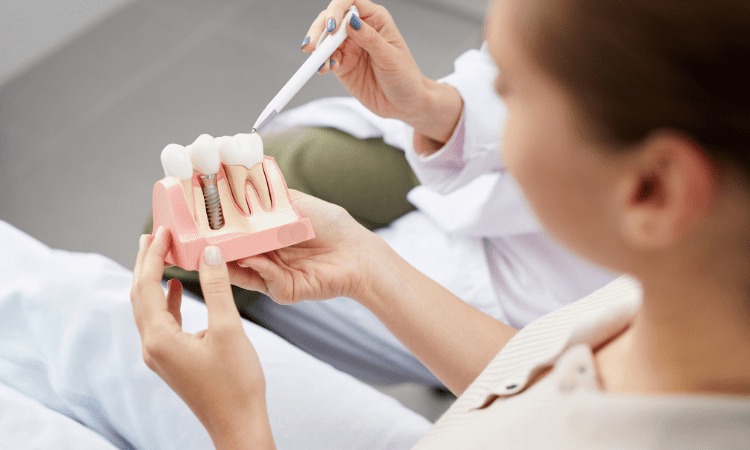
Although the dangers of missing teeth are significant, they are largely preventable. Modern dentistry offers several effective solutions, such as dental implants, bridges, and partial dentures. Replacing missing teeth as early as possible can preserve bone, maintain proper bite alignment, protect remaining teeth, and support long-term oral health. Early treatment also minimizes the emotional and functional challenges that accompany tooth loss.
Treatment for Tooth Loss in Gouverneur, NY
If you have missing teeth or have an upcoming tooth extraction, Dr. Nicholas Gardner is here to help. He offers a wide range of services, including implants, that could restore your bite, smile, and confidence. Contact his office today to schedule a consultation and learn more about your treatment options for tooth loss.